
The tech industry's default interface for Artificial Intelligence over the past three years has been, unequivocally, the chat window. It makes intuitive sense. It is the lowest common denominator of interaction: you speak to the machine in natural language, and the machine responds. It implies infinite capability.
But when we move from broad consumer entertainment into high-stakes operational environments: healthcare diagnostics, enterprise supply chain routing, B2B financial modeling: we discover the fundamental flaw in conversational UI. An infinite canvas offers zero guardrails.
The Limits of Blank Canvas Interaction
In enterprise tools, operators shouldn't have to "guess" how to prompt a system effectively. When a supply chain manager needs to reroute 14 pallets of goods due to weather disruptions, they do not want a chat dialogue. They want certainty, constraints, and speed.
Conversational UI pushes the cognitive burden of structuring requests onto the user. This results in heavy prompt-engineering fatigue and ultimately causes steep drop-offs in daily active usage (DAU) post-pilot.
Designing the Specialized Architecture
The solution isn’t to abandon LLMs; the solution is to orchestrate them behind structured interfaces. By replacing the empty chatbox with purpose-built UI components: forms, grids, toggles, and charts: we map the chaos of generative capability into a deterministic workflow that operators already know how to use.
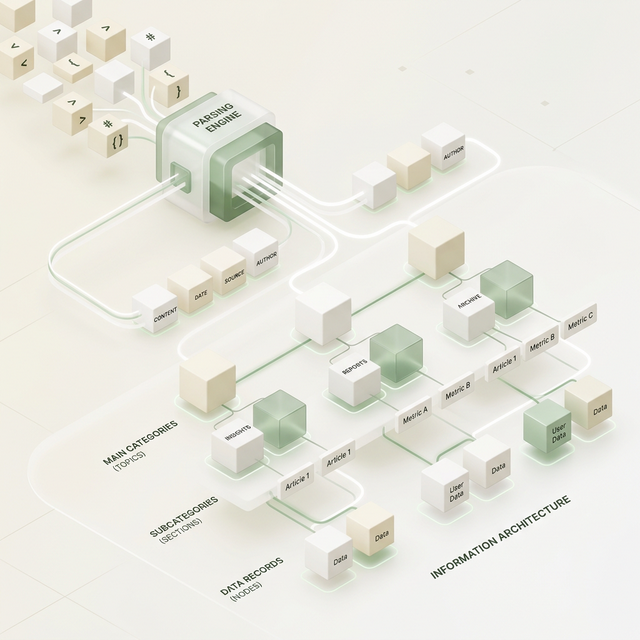
When you wrap an LLM in a rigid UI framework, you change the nature of the interaction:
- Invisible Routing: The system takes simple user inputs and dynamically formats perfectly constrained prompts behind the scenes without the user ever writing a paragraph.
- Structured Output Parsing: Instead of returning a wall of text, the system parses the JSON/markdown output and injects the data precisely into established tables, charts, or dropdowns.
- Constrained Edits: If the model gets a single variable wrong, the user can adjust a specific slider or dropdown without needing to completely regenerate a 400-word conversational response.
"The most sophisticated AI experiences of the next five years won't look like AI at all; they will just look like exceptional, highly-opinionated software."
From Generative to Deterministic
To scale AI beyond the initial demo, we have to stop treating the Foundation Model as the user interface, and start treating it as the database query language. The moment we place structured interaction layers over raw capability, we dramatically increase trust, speed to execution, and operational adoption.
I picked this argument back up in How to Make Your AI Workflow Audit-Ready, on what determinism actually has to mean once someone is checking your work.