Chapter 01 · Challenge
Making a store yours meant code. Code meant no more updates.
Picture a seller with a product people love and a following on Instagram. She didn't want to build a store. She wanted to sell. In 2021, making a theme look like hers took six weeks, and the usual way there was code she couldn't read. Every code edit also cut a store off from theme updates, and 98% of shops were off that upgrade path. Another 8% showed placeholder text to real customers.
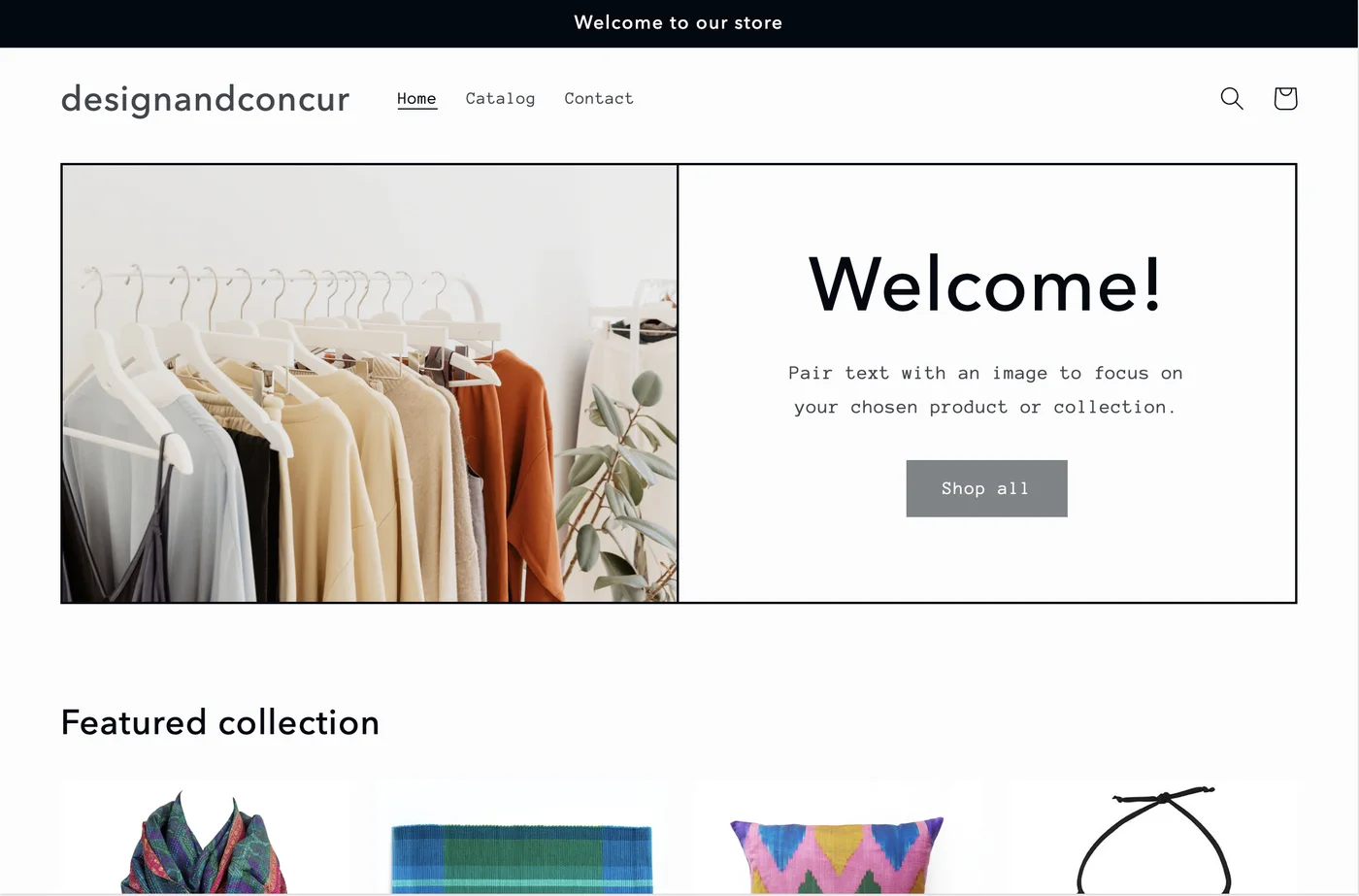
Where a merchant started: the default store, with the placeholder copy that 8% of shops never replaced.
Chapter 02 · AI content, a partnership
Placeholder text was the quiet failure
A shop with placeholder text looked unfinished to its first customer. We partnered with a sister team on Autowrite, right in the add product form: a few keywords become a description to rewrite or keep. Instead of a blank box, merchants got a first draft, and placeholder content fell from 8% of shops to 1%. We share that win with them. What we got wrong at first, working on the prompts: we thought one great prompt would do it all. It didn't. It took a set sequence of prompts, each finishing its job before the next began.
Chapter 03 · Framework
One framework, not three products
Three kinds of merchant could have meant three products and a split brand. I led the workshops where product, engineering and marketing agreed on what success meant for each one, and we built one framework instead. Shopify's chief executive, Tobi Lütke, set the bar: make important things easy, make everything else possible. Every merchant got a way to make the store theirs and keep its updates.
- BeginnerNo code. Pick a theme, set a logo and colors on a phone, launch. The Starter plan's social sellers live here.
- Code curiousSections in the editor, plus a custom CSS toolbox that covers 84% of the changes merchants want without touching theme code.
- Advanced coderDev tools, theme apps and the upgrade path, so a custom theme keeps getting new features.
The launch journey, and who owned each step
- 1Sign upAdmin
- 5LaunchThen Instagram, TikTok, Google, Amazon
All products


Theme settings
Logo
Logo image
Image · Edit alt text
ChangeLogo width
Favicon
Color
Brand information
Headline
Description
Social Media
https://facebook.com/shopify
http://instagram.com/shopify
YouTube
The phone editor, rebuilt as a working prototype from the design screens: logo, colors, brand info and social links, then save. Enough for a social seller to launch from her couch.
Chapter 04 · Experiments
Every release had to earn its place
We ran the launch as rapid experiments against the old editor, and kept what moved merchants. The clearest win came from taking things away: seven default sections became three, and 62% of merchants launched faster.
- Less is moreDefault sections cut from seven to three, so a new store had less to fill. A/B test: 62% of merchants launched faster.
- WayfindingStyles made visible in the editor, so merchants found what was already there. A/B test: discovery and engagement with styles up 58%.
- Starter planA phone-first editor for social sellers who would rather promote than build, made with the social sellers team. 4.1% of merchants on Starter, with a 26.5% launch rate.
- Custom CSSA toolbox that handles 84% of customization without touching theme code, so the store keeps its updates.
Chapter 05 · Online Store results
From 2.5M to 3.54M shops on themes
Still, 51% is half of all shops off the upgrade path. We nearly halved it; we didn't finish it. The lifts in Experiments come from my team's A/B tests against the old editor. The shop, upgrade path and timing numbers come from Shopify's quarterly reports and are shared with the theme and platform teams.
Chapter 06 · My role
I led the editor team. The wins were shared.
- TeamDesign lead for the Online Store editor, theme app extensions and developer tools, with three product managers and 24 engineers.
- WorkshopsThe workshops that got product, engineering and marketing to one definition of success per kind of merchant, and the three-persona framework that came out of them.
- ExperimentsThe editor tests: fewer default sections, visible styles, and the custom CSS toolbox.
- PartnersThe theme team on first-party themes and the Theme Store, the social sellers team on the Starter plan, and a sister team on Autowrite.
- CultureWe moved farther together. My measure for the team was power-ups: how much did you help someone else rise?
Next project
A checkout that earned its keep
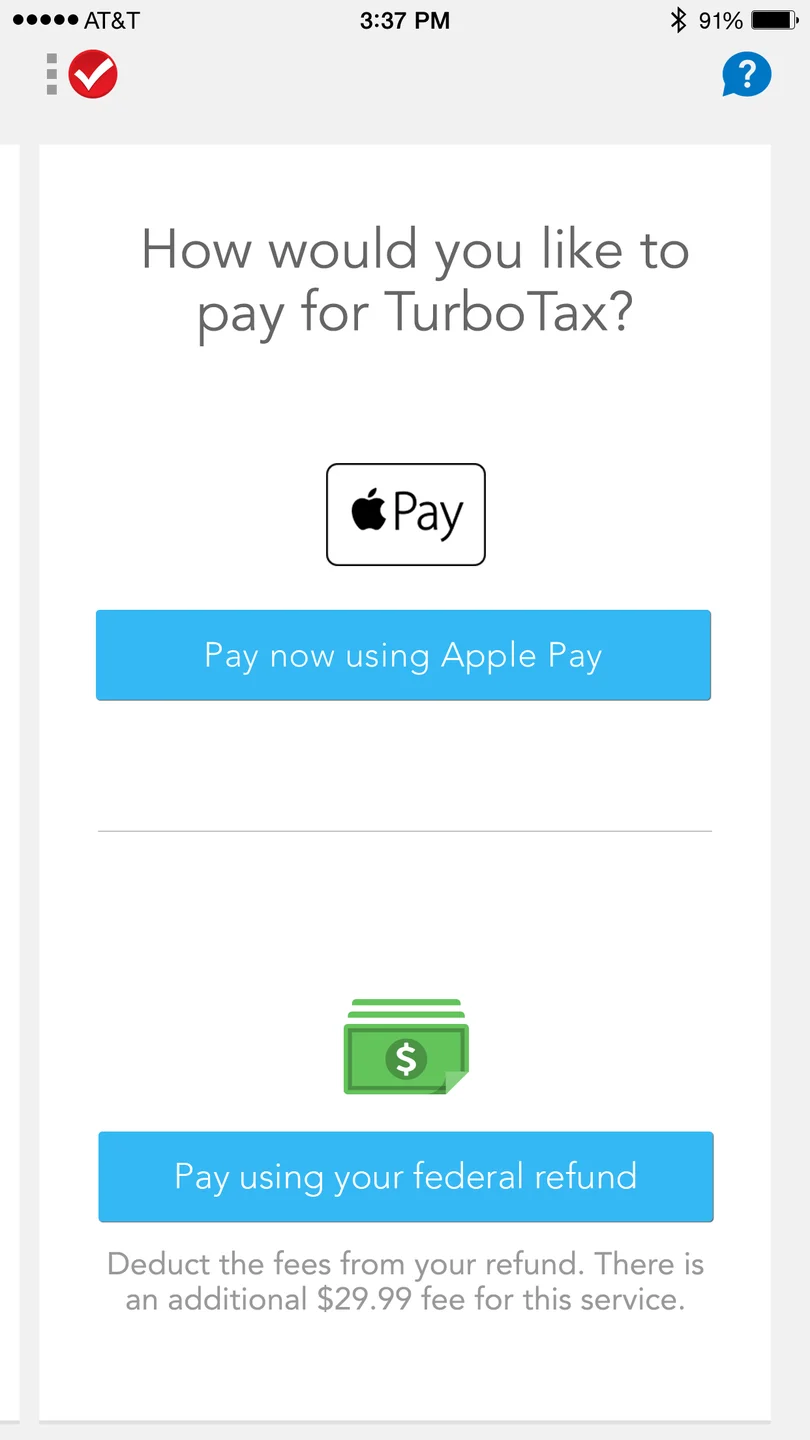
TurboTax: the cart redesigned with behavioral science, conversion up 33% on a $3B line, and the first Apple Pay on TurboTax.
Read the case